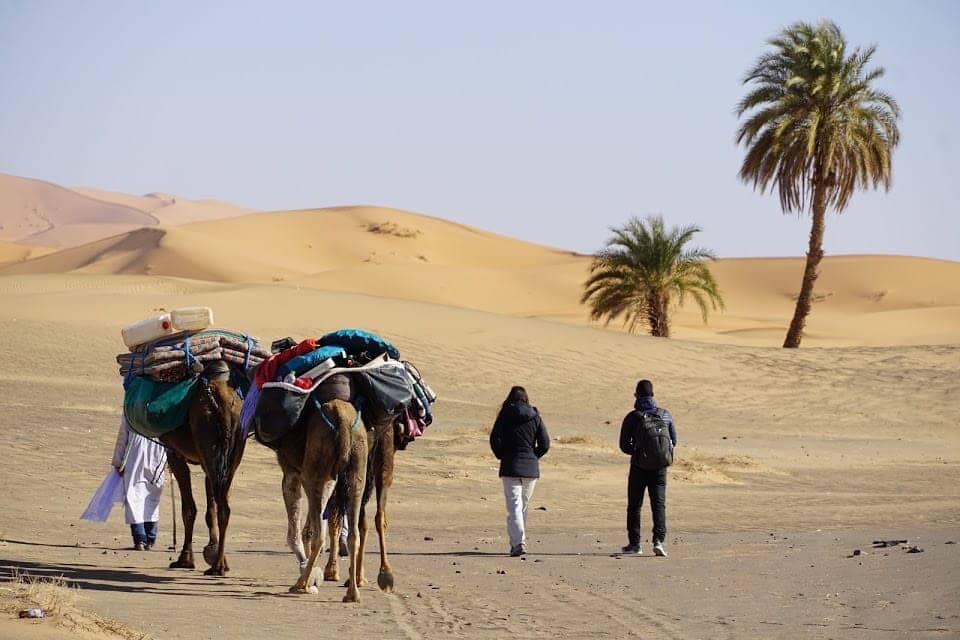
Visiting the Sahara Desert for the first time is one of those experiences that changes the way you think about the world. But the desert rewards preparation. Here are ten things every first-time visitor should know before they go.
Most people imagine the Sahara as endlessly hot, but desert temperatures swing dramatically between day and night. In winter months (November to February), nights at the dunes can drop to near freezing. Always pack a warm layer, a fleece or light down jacket, even if you're travelling in the warmer months.
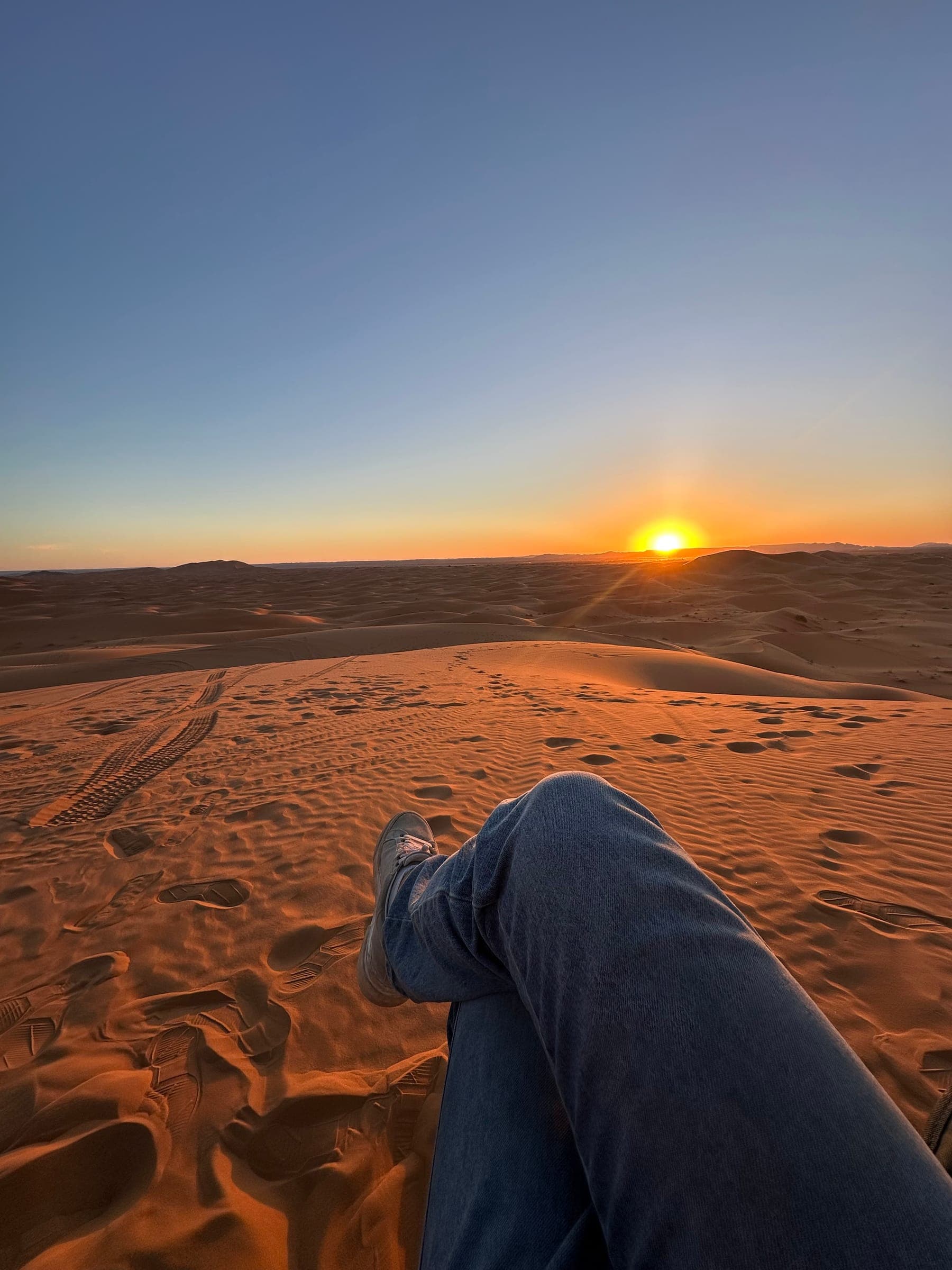
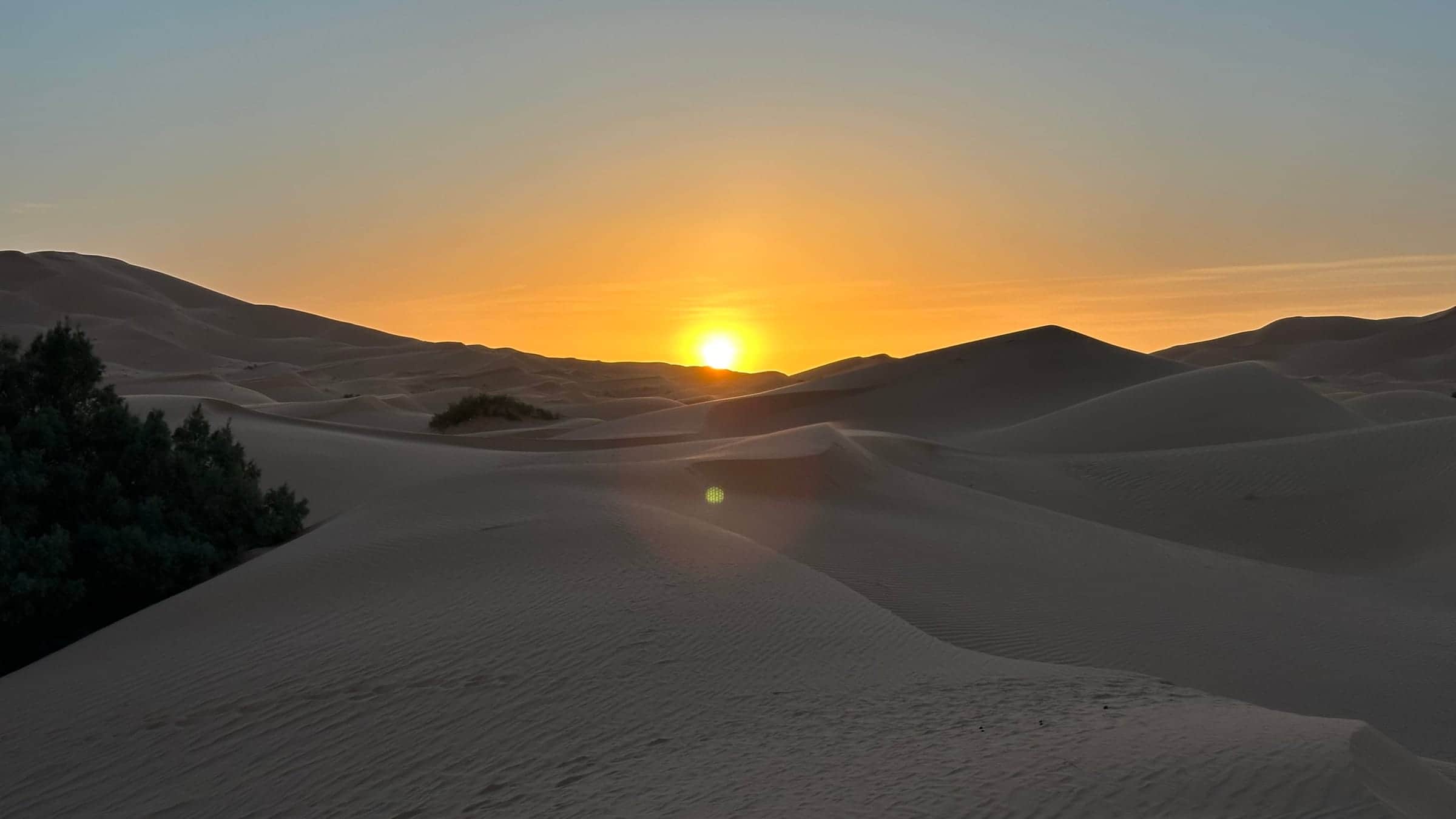
The light at the golden hours transforms the dunes into something otherworldly. Plan to be on the sand before the sun rises and stay out until after it sets. These are the moments that will fill your camera roll and stay in your memory long after you return home.
The desert air is dry and the sun is intense. You will lose water faster than you realise, especially on camel treks and dune walks. Carry at least two litres of water per person for any activity, and drink regularly even if you don't feel thirsty.
Your camera, your ears, your shoes, your bag. Sand has an extraordinary ability to penetrate every gap. Bring a dust-proof bag for electronics, wear lightweight trainers rather than sandals for dune walking, and accept that you will be shaking sand out of your belongings for weeks after.
Desert camps range from basic Berber tents to luxury glamping with private bathrooms and gourmet dinners. Neither is better. They offer completely different experiences. Decide what matters most to you: authenticity and stargazing (basic camp) or comfort and cuisine (luxury camp). Both have their magic.
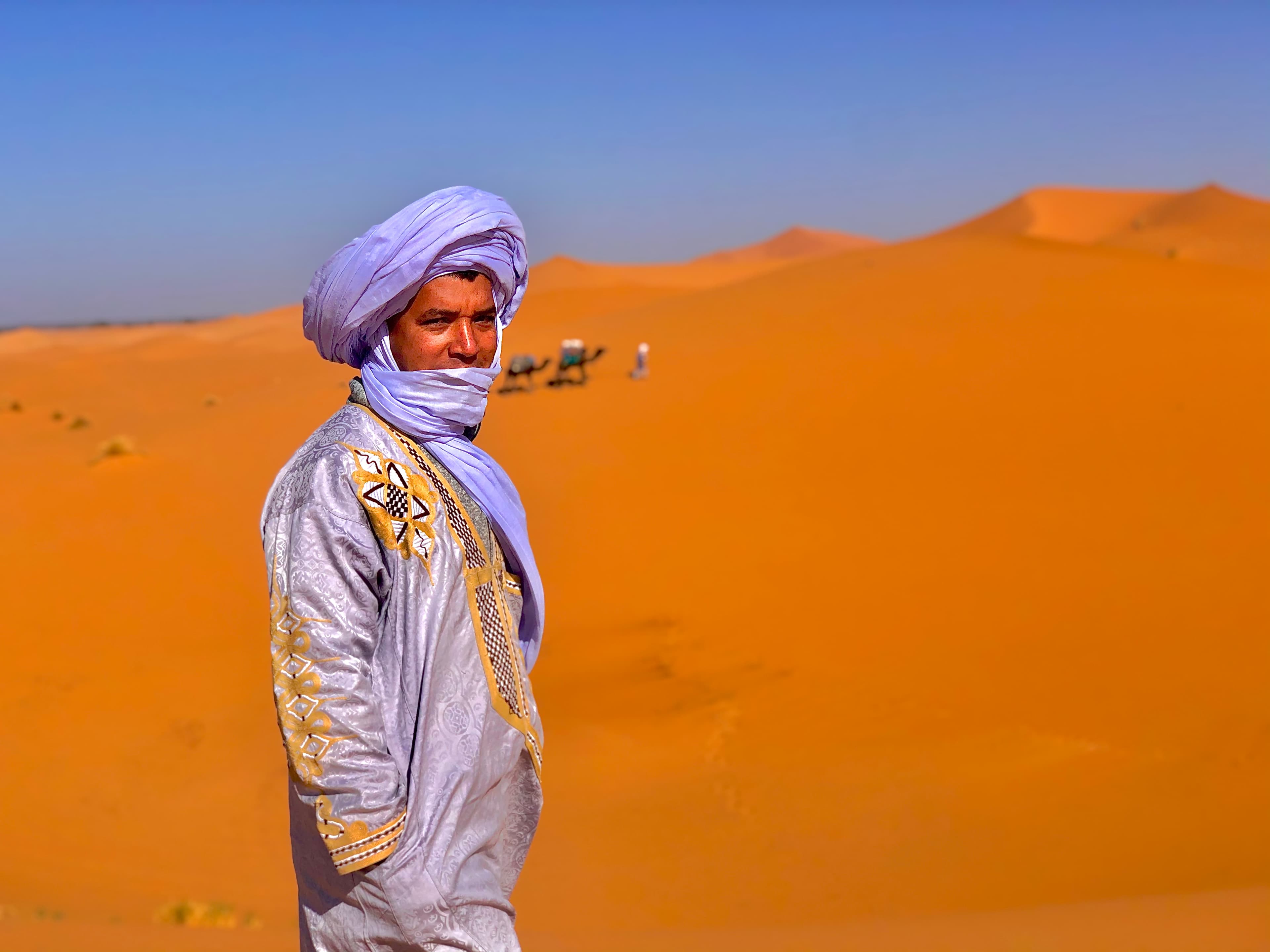
Erg Chebbi and Erg Zgid are vast. The dunes shift constantly and disorientation is common, especially at dawn. A local Berber guide not only keeps you safe but knows the best spots, the isolated crests, the untouched valleys, that first-timers miss entirely.
The Sahara is not just a landscape: it is home to communities with deep traditions. Ask before photographing people. Dress modestly when visiting villages. Accept the ritual of mint tea: refusing is considered impolite. A little cultural awareness goes a long way.
October to April is the ideal window. July and August temperatures regularly exceed 45°C in the dunes, making outdoor activity dangerous. Spring (March–April) and autumn (October–November) offer the most comfortable temperatures and the best photography light.
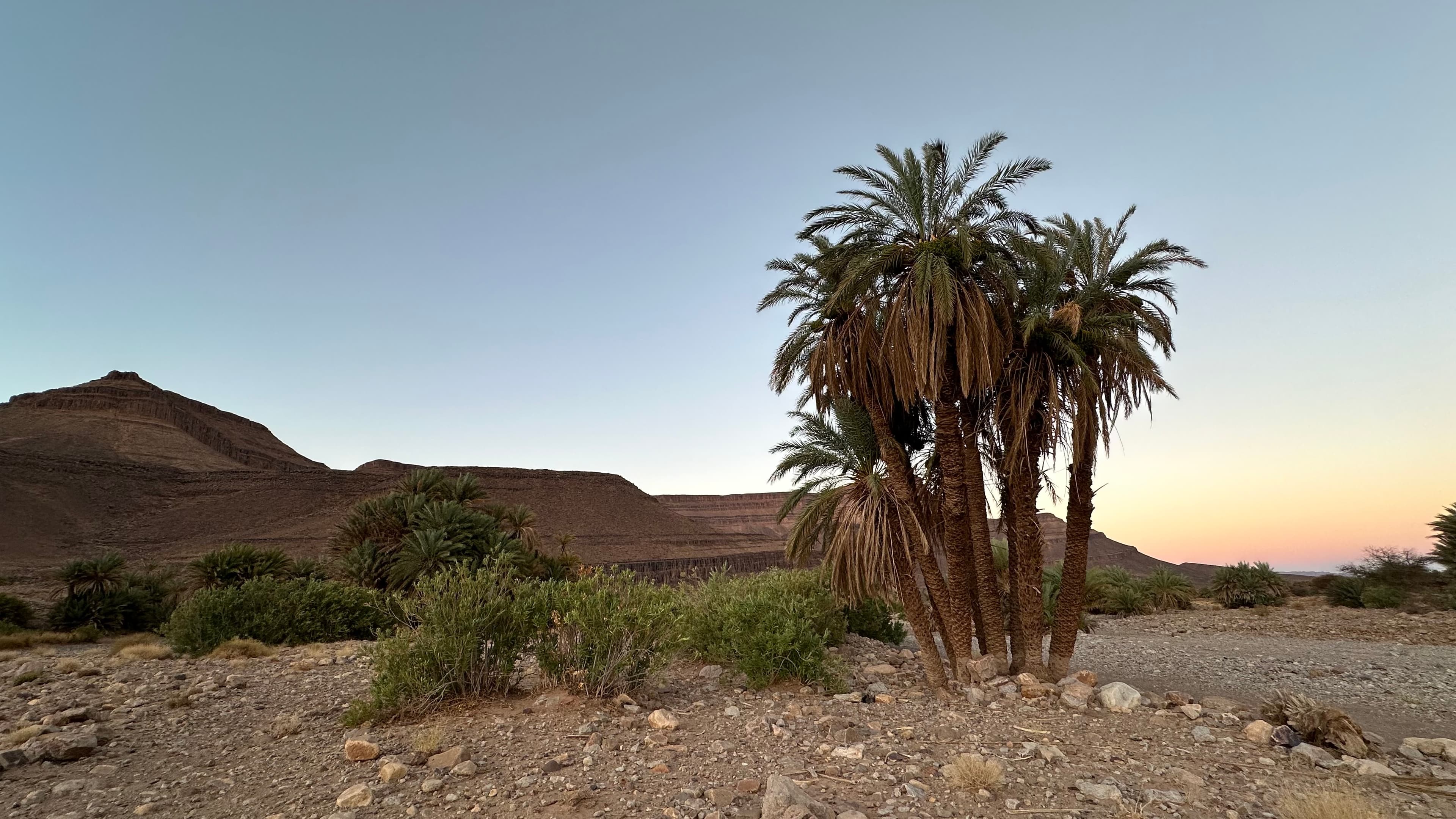
Getting to the Sahara from Marrakech or Fes takes 8–10 hours by road, passing through kasbahs, gorges, and oasis valleys that are extraordinary in their own right. Don't rush it. Stop at Aït Benhaddou. Walk in the Draa Valley. The desert starts long before the dunes begin.
Almost every traveller who visits the Sahara says the same thing on the way home: it wasn't enough. One night in the dunes leaves most people wanting three. If your schedule allows, build in an extra night. The desert reveals itself slowly, and the longer you stay, the more it gives.
Helpful Resources
Sahara Tours Related to This Guide
- 12-Day Grand Morocco Tour: Fes, Sahara Desert, Marrakech, Essaouira & Casablanca12 Days
- 12 Days Grand Morocco Imperial Cities & Sahara Desert Tour from Agadir12 Days
- 13-Day Morocco Imperial Cities & Sahara Desert Tour from Casablanca13 Days
- 15-Day Morocco Imperial Cities, Chefchaouen & Sahara Desert Adventure15 Days
Ready to Experience the Sahara?
Turn what you've just read into a real memory. Our Berber-led tours bring every story in this blog to life.
Mustapha Oufota
Berber desert guide and founder of Visit Sahara Desert, born and raised in the Draa Valley