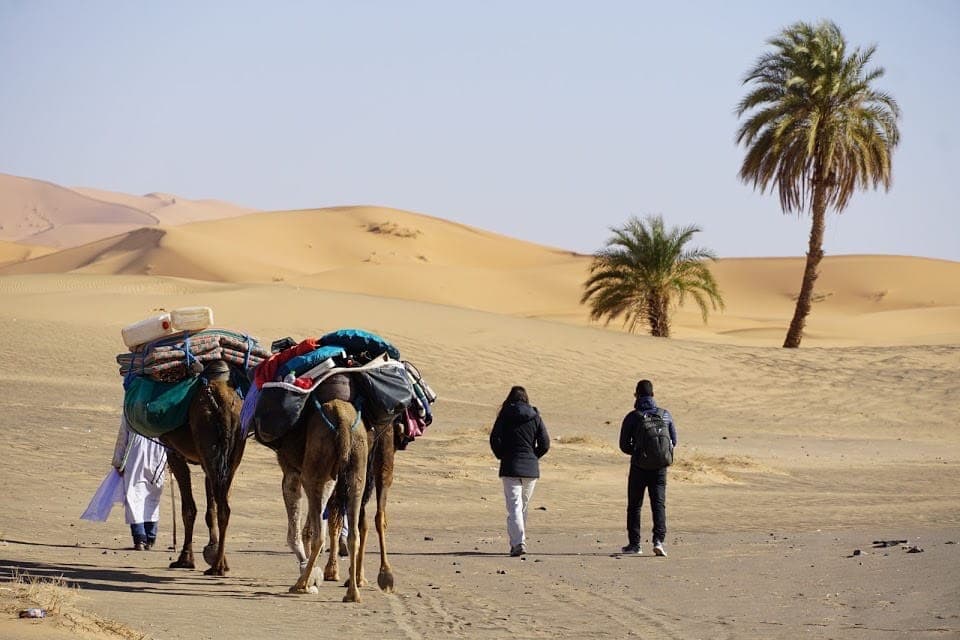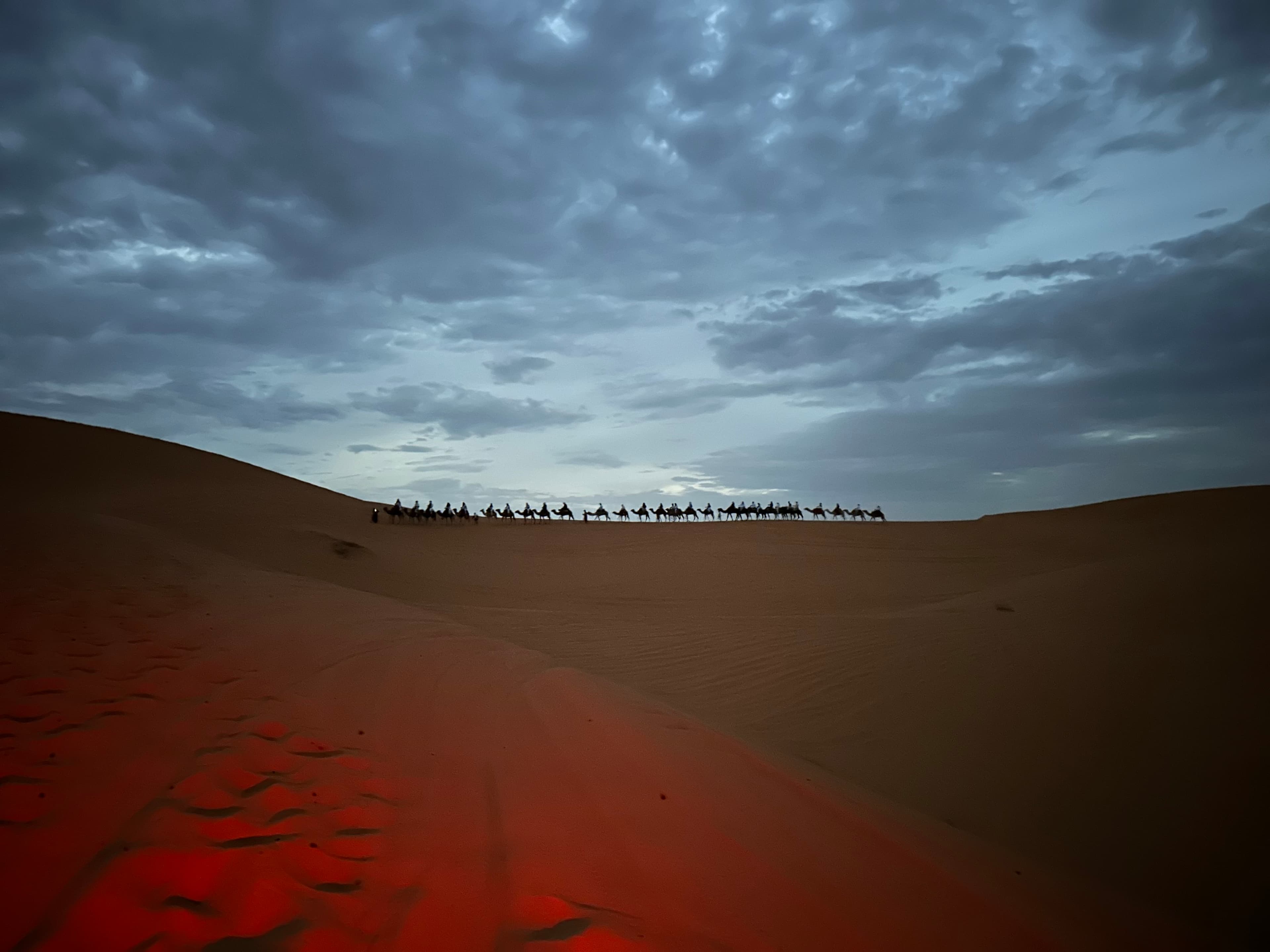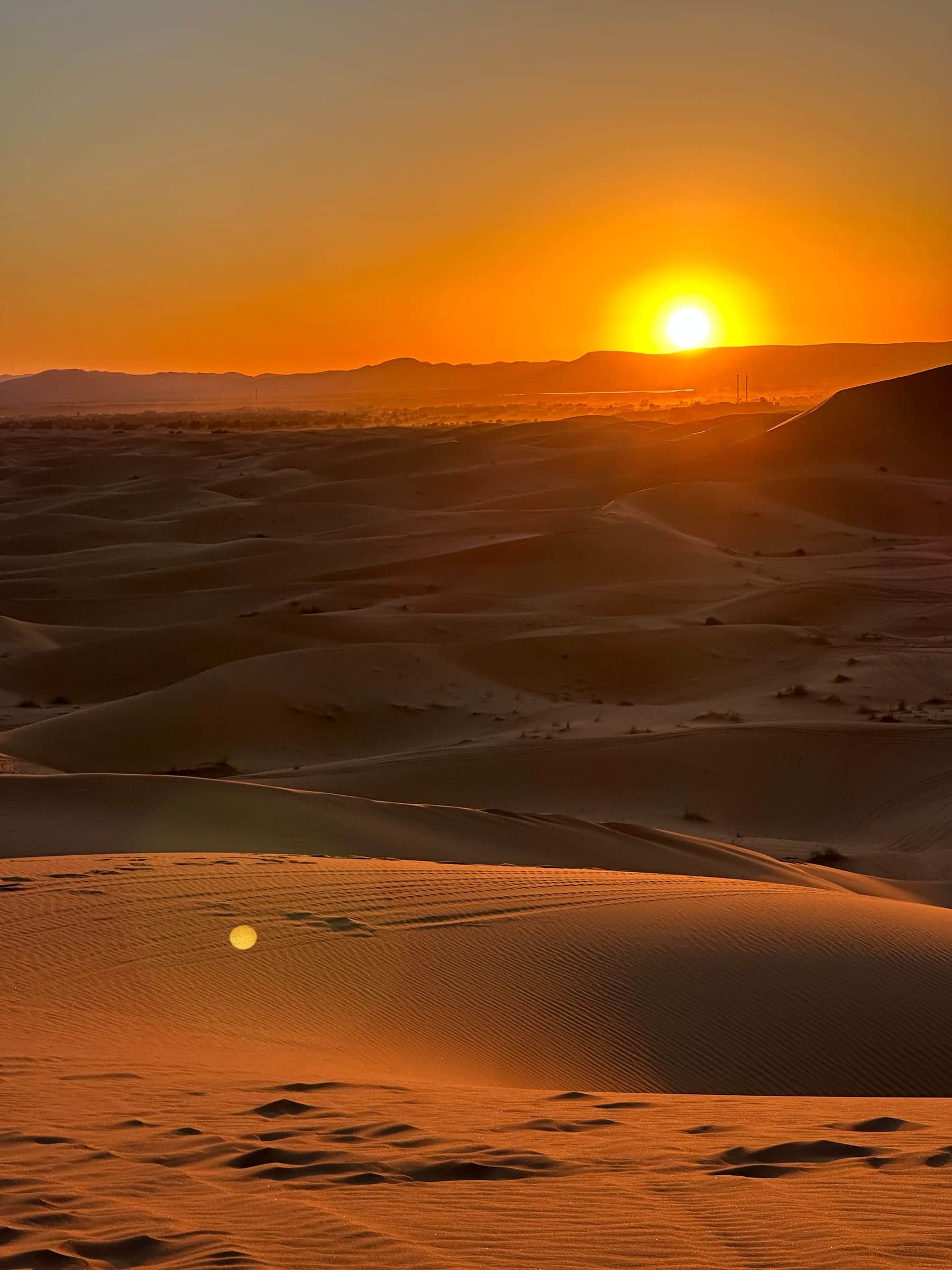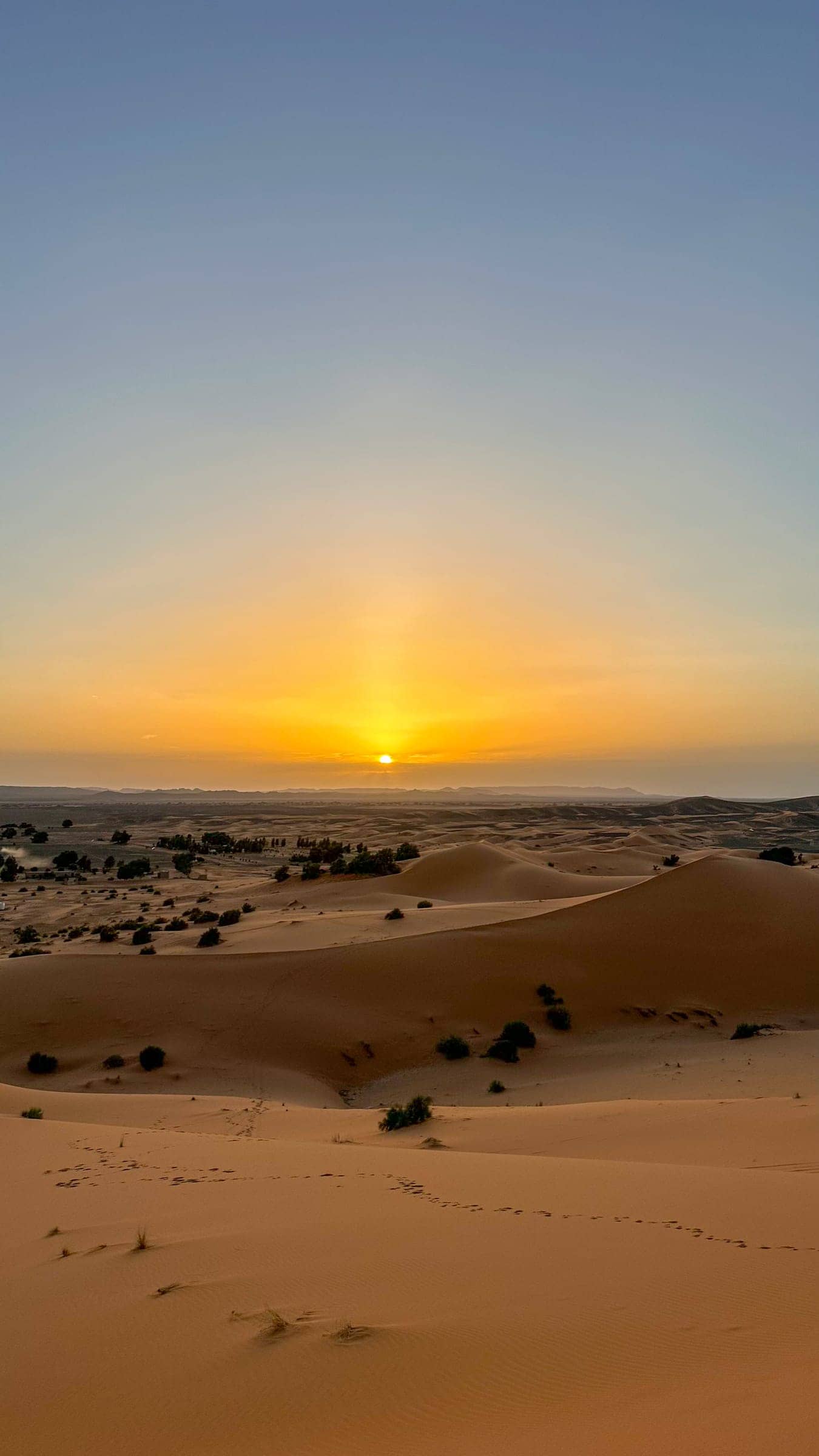
The Sahara Desert is not an empty place. It is home to one of the world's oldest living cultures, the Amazigh people, known to the world as Berbers. Understanding something of their history, language, and way of life transforms a desert visit from a landscape experience into a human one.
The Amazigh (the name means "free people" in Tamazight) are the indigenous inhabitants of North Africa, predating the Arab conquest by thousands of years. Archaeological evidence of Amazigh presence in the Sahara dates back over 10,000 years. Today, millions of Amazigh live across Morocco, Algeria, Libya, Tunisia, Mali, and Niger, maintaining a distinct cultural identity that has survived millennia of conquest and change.
Tamazight is one of the oldest living languages in the world, with its own unique alphabet, Tifinagh, that appears in ancient rock art across the Sahara. It is now officially recognised in Morocco's constitution and taught in some schools. When your Berber guide speaks to you in their own language, or when you hear the camp fire songs, you are hearing something profoundly ancient.
Hospitality in Berber culture is not a courtesy: it is a sacred obligation. A guest is treated as a gift. The ritual of Atay (Moroccan mint tea) is the central ceremony of welcome: three small glasses are poured, each with a meaning. The first is as bitter as life, the second as strong as love, the third as sweet as death. To refuse is to insult. To accept all three is to become, at least briefly, part of the household.
For the Amazigh, music is not entertainment: it is the method by which history, genealogy, love stories, and spiritual knowledge are preserved and transmitted. Gnawa music, with its deep guembri bass lines and call-and-response vocals, originated among sub-Saharan communities and became woven into Berber tradition through centuries of Saharan trade. A Gnawa ceremony is both a musical performance and a spiritual practice.
Perhaps the most important thing to understand about Berber desert culture is this: the Sahara is not a dramatic backdrop for their lives. It is their home, in the deepest sense. The dunes, the oases, the star maps used for navigation, the knowledge of which plants signal water: these are not romantic details. They are survival skills passed down through generations of people who built a civilization in one of the harshest environments on earth.
Helpful Resources
Sahara Tours Related to This Guide
Ready to Experience the Sahara?
Turn what you've just read into a real memory. Our Berber-led tours bring every story in this blog to life.
Mustapha Oufota
Berber desert guide and founder of Visit Sahara Desert, born and raised in the Draa Valley