The Sahara Desert looks indestructible. It is not. The desert ecosystem, its thin soils, its oases, its nomadic communities, is under pressure from climate change, overtourism, and economic forces that threaten the very qualities that make it worth visiting. Here is how to visit responsibly.
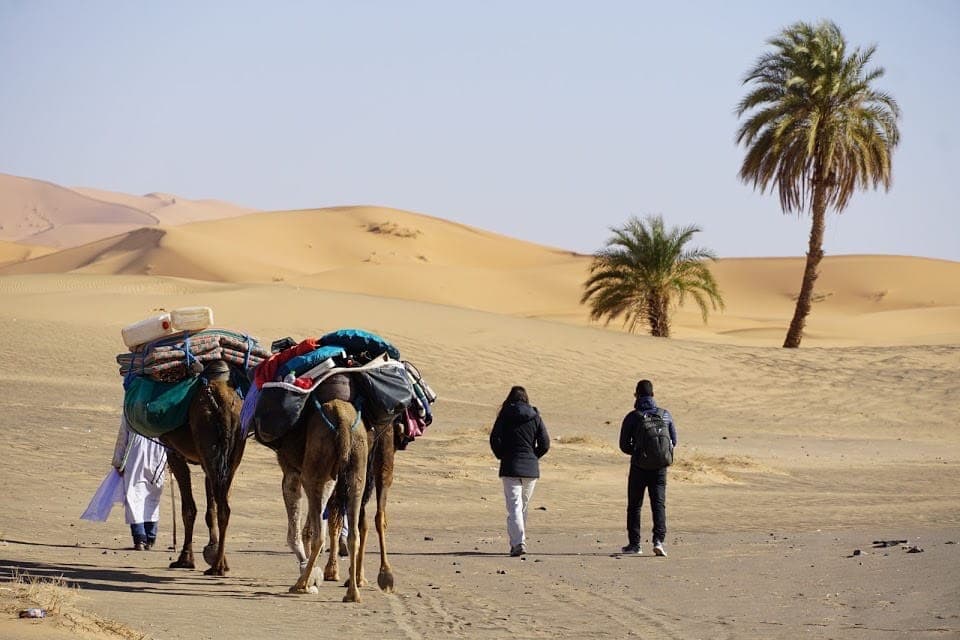
The single most impactful decision a desert tourist makes is who they book with. When you choose a tour operator who employs Berber guides from local communities, you put money directly into the hands of people whose families have lived in the desert for generations. Ask your operator directly: where are your guides from? Are they from the local community or are they hired from outside the region? The answer tells you a great deal.
Desert ecosystems are extremely slow to recover from disturbance. The thin biological crust that forms on desert soil, a fragile layer of microorganisms that prevents erosion, can be destroyed by a single footstep and takes decades to regenerate. Stay on established paths where they exist. Do not disturb rock formations, dry riverbeds, or oasis vegetation. Carry all your rubbish out, including biodegradable food waste that disrupts the natural desert food chain.
Oases and desert wells are shared community resources. Luxury tourism in the desert, particularly camps with swimming pools and Western-style showers, can place enormous pressure on water supplies that local communities depend on for drinking, cooking, and agriculture. Ask your accommodation provider about their water source and conservation practices. Support camps that use solar heating, recycled water, and composting toilets.
The Berber craft tradition, weaving, leatherwork, silver jewellery, pottery, is at risk as mass-produced imitations undercut local artisans. When you buy a carpet or a silver pendant in the desert region, try to buy directly from the maker. Ask how the piece was made and by whom. Pay the fair price without excessive bargaining. Your purchase helps sustain a living cultural tradition.
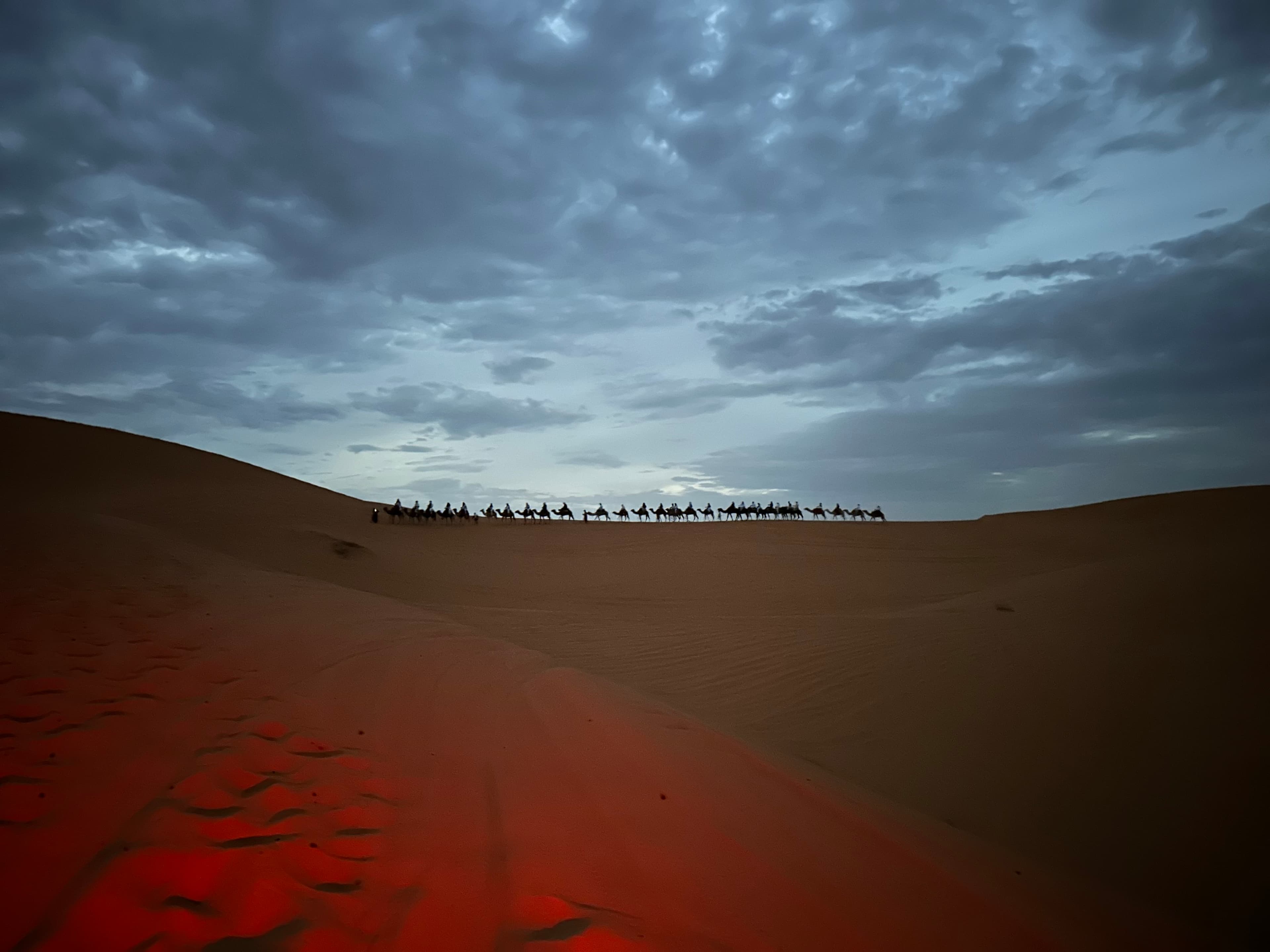
Large group tours cause exponentially more environmental impact than small private tours. A group of four produces less noise, less disturbance to the dune ecosystem, less pressure on water resources, and a qualitatively different, usually better, experience than a group of thirty. If your schedule and budget allow, book a private or small-group tour rather than joining a large coach group.
Helpful Resources
Sahara Tours Related to This Guide
Ready to Experience the Sahara?
Turn what you've just read into a real memory. Our Berber-led tours bring every story in this blog to life.
Mustapha Oufota
Berber desert guide and founder of Visit Sahara Desert, born and raised in the Draa Valley